

Trading Spread Explained: A Guide for New Filipino Traders
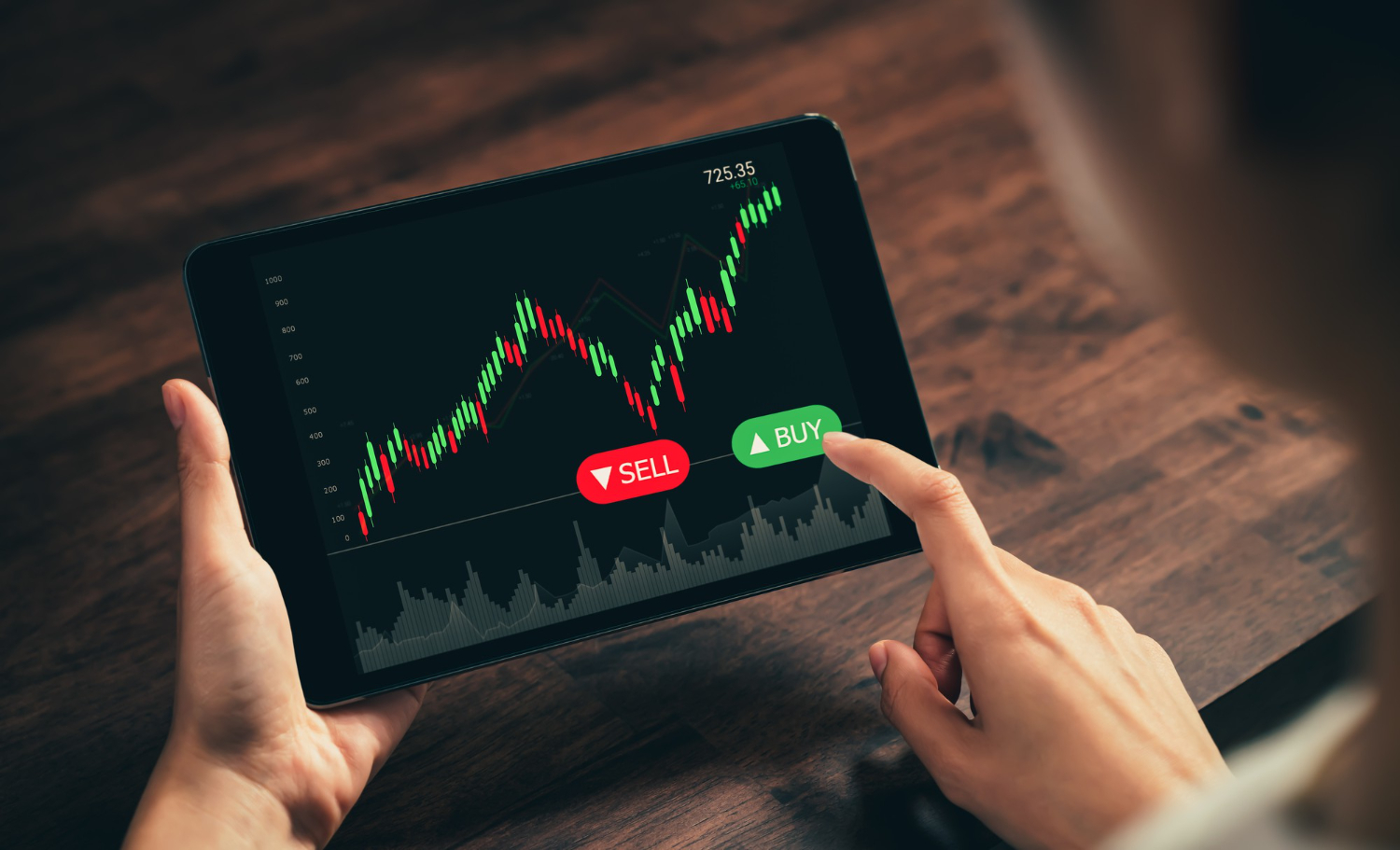
In the fast-paced world of trading, understanding the concept of spreads is crucial for new Filipino traders eager to maximize profits. Spreads not only influence your transaction costs but also play a pivotal role in your overall trading strategy. This guide breaks down the essentials, from defining trading spreads to exploring their types, impacts on costs, and effective management strategies. Discover how to navigate this vital aspect of trading and set yourself up for success.
Trading Spread Explained: A Detailed Guide for Filipino Traders
A trading spread refers to the difference between the bid and ask price of a financial instrument, explained here as a key aspect of forex trading. It can vary significantly depending on the financial markets. For instance, in the forex market, the EUR/USD currency pair might have a bid price of 1.1050 and an ask price of 1.1065, resulting in a spread of 1.5 pips.
Traders should pay close attention to spreads, especially during volatile periods, times of market uncertainty, or events such as the release of economic reports, as spreads can quickly widen and increase trading costs.
To effectively manage spreads, Filipino traders should consider using trading platforms like MetaTrader, which provide real-time spread information, and employ trading strategies such as risk management techniques. Choosing brokers known for offering lower spreads, such as OANDA or IG Markets, can also help minimize trading costs.
Importance of Spreads in Trading
Spreads are a fundamental aspect of trading that can significantly impact liquidity and overall profitability, particularly in volatile markets. Traders should be aware that spreads can widen considerably during major news events, such as earnings reports or the release of economic data.
For instance, spreads may increase before the announcement of non-farm payroll data in the U.S., as traders face uncertainty in the trading environment regarding how stock and index prices will respond. To mitigate this effect, traders can utilize tools like economic calendars and chart analysis to anticipate upcoming news events and adjust their trading strategies accordingly.
Setting limit orders during these periods is an effective way to manage costs, as it allows traders to establish a specific price at which they are willing to enter a position, thereby protecting them from sudden fluctuations in spreads.
Types of Trading Spreads
Traders encounter various types of spreads, including bid-ask spreads, each serving a distinct function and exhibiting different characteristics depending on the trading strategy, market orders, and financial markets involved.
Bid-Ask Spread
The bid-ask spread is the most common type of spread and plays a crucial role in determining transaction costs for traders in both the forex and stock markets, affecting liquidity and price difference.
For instance, in the EUR/USD currency pair, a typical bid of 1.1200 and an ask of 1.1203 results in a three-pip spread, which reflects the cost of exchanging euros for dollars. In the stock market, a company like Apple often shows a bid of $150.00 and an ask of $150.05, resulting in a five-cent spread.
Such narrow spreads indicate high liquidity, allowing traders to execute transactions quickly without incurring significant costs. This characteristic makes the market more attractive to active traders.
Option Spreads
Options traders employ spreads to manage risk and enhance potential returns, utilizing trading tactics such as vertical and horizontal spreads that leverage different order types and margin levels.
For instance, a bull call spread entails purchasing a call option at a lower strike price while simultaneously selling a call option at a higher strike price. This approach reduces both upside potential and the net cost of the trade.
A trader who anticipates that a stock’s price will rise, but not excessively, might buy a call option at $50 and sell a call option at $60. This creates a position that caps profit at $10 per share, while limiting the cash outlay for the trade.
By using this strategy, the risk is mitigated with effective risk-reward ratio management, as the premium received from the sold call helps offset some of the cost of the purchased call.
Futures Spreads
Futures spreads, commonly used for hedging, involve taking positions in two or more futures contracts to mitigate risk exposure and capitalize on price differentials.
One popular strategy is the calendar spread, where a trader purchases a contract with a nearing expiration while simultaneously selling a contract for a later date. For example, a trader might buy a December crude oil futures contract while selling a January contract.
This approach allows them to profit from seasonal price movements while limiting their risk from price fluctuations. By concentrating on the spread between these two contracts, the trader can effectively hedge against potential losses in the event that market conditions change in the near term.
How Spreads Affect Trading Costs
Spreads are a crucial component of trading costs, including brokerage fees, commissions, and slippage. Understanding their impact allows traders to maximize profit margins and enhance overall trading performance through effective trade management.
Understanding Transaction Costs
Transaction costs, which encompass spreads, commissions, and fees, can significantly impact a trader’s net profits. Therefore, it is essential to consider these costs with every trade.
Traders can reduce transaction costs, including pip values and commissions, by following these strategies:
- Choosing a Trading Platform with Low Spreads: Brokers such as IG and OANDA offer very tight spreads, which means less money is going to the broker at the outset of a trade.
- Seeking Commission-Free Trades: Newer traders might consider platforms like Robinhood or Webull, which provide commission-free trades, although they have different fee structures.
- Timing Trades: The costs associated with spreads and commissions can vary depending on when a trade is executed. Spreads are typically tighter during peak trading hours when trading volume is higher and the market is more stable.
- Using Limit Orders: Slippage occurs when a trade is executed at a price worse than expected due to sudden market changes, often seen during periods of high volatility. By utilizing limit orders, traders can avoid slippage, ensuring that the broker does not execute the order at a less favorable price than what they intended.
By implementing these strategies, traders can effectively minimize transaction costs and enhance their overall trading profitability.
Impact on Profit Margins
Spreads can significantly impact profit margins, as even small variations can lead to substantial effects on overall trading performance over time, especially when trading psychology and emotional trading come into play.
To illustrate this, consider a hypothetical example: imagine a trader executes 100 trades a month, with an average spread of 2 pips, where each pip is worth $10. If the spread is not factored in as a cost, it would result in potential losses of $2,000 across these trades.
However, if the trader switches to a broker with an average spread of 0.5 pips, they would save $1,500 each month. This reduction not only enhances profit margins per trade but also opens up more opportunities for reinvestment in trading strategies.
In summary, by opting for lower spreads, traders can refine their overall strategies and significantly boost their profitability.
Strategies for Managing Spreads
Implementing effective strategies for managing spreads can enhance trading performance and lower costs for both novice and experienced traders.
Choosing the Right Broker and Trading Account
The significance of broker spreads in the trading world should not be overlooked. Choosing a broker with low spreads can significantly reduce overall trading costs, making broker selection one of the most critical decisions traders face.
The table below presents three brokers with favorable spreads that you can consider when searching for competitive options:
| Broker | Average Spread | Commission Structure | Overall Costs |
| Broker A | 1.2 pips | $5 per trade | Low |
| Broker B | 1.0 pips | No commission, higher spreads | Moderate |
| Broker C | 0.8 pips | $3 per trade | Competitive |
Timing Your Trades
Trading during periods of high market activity can reduce the impact of spreads on trades, particularly in volatile markets where spreads may be wider, affecting trading signals and technical indicators.
Optimal trading times occur during three key periods: market openings, overlaps of major markets (such as London and New York), and the scheduled release of economic news.
For instance, the first hour after the NYSE opens is often busy and can lead to narrower spreads. Similarly, while the release of important economic indicators-such as employment reports or interest rate decisions-may initially widen spreads, they often tighten as liquidity returns following the announcement.
By monitoring an economic calendar, traders can identify these optimal trading times, enhancing the potential for favorable trades.
Common Mistakes to Avoid
New traders frequently make common mistakes related to spreads, which can increase costs and reduce profits.
Overlooking Spread Costs and Trading Mistakes
Many traders neglect to account for spread costs, which can lead to unexpected losses, especially in high-frequency trading scenarios.
For instance, a trader who enters and exits a position multiple times in a single day might assume that the price movement will offset the spread for each transaction. If the spread on a currency pair is typically 2 pips and the trader executes 100 trades, they could end up losing a total of 200 pips.
To mitigate spread costs, traders can adopt several strategies, including:
- Filipino traders focusing on active trading strategies
- Focusing on more liquid currency pairs that offer better spreads for both entry points and exit points
- Utilizing trading tools and platforms that charge lower fees and offer features like spread betting
- Timing trades around major market events and trading sessions
Being aware of these factors and planning strategically can significantly enhance a trader’s profitability by incorporating fundamental analysis, technical analysis, and pattern recognition.
Ignoring Market Conditions and Trading Risks
Ignoring current market conditions can lead to poor trading decisions, particularly when spreads are influenced by changes in market volatility and liquidity. For example, during periods of high volatility, spreads can widen significantly, causing investors to pay more when entering or exiting a position.
A notable instance of this occurs in Forex markets during major economic announcements, where spreads can increase from 1 pip to 5 pips or more, making stop-loss orders and take-profit orders critical.
To effectively monitor these changes, traders can utilize tools like TradingView or MetaTrader which provide real-time market data, spread analysis, and trading alerts.
This proactive approach enables traders to adjust their strategies in response to fluctuating conditions, ultimately improving their financial outcomes.
Conclusion
For Filipino traders, mastering the concept of trading spreads is a game-changer in optimizing profitability and minimizing costs. Whether you’re trading forex, stocks, or futures, understanding how spreads work, and how to manage them, can make the difference between success and unnecessary losses. From choosing brokers with competitive spreads to timing your trades strategically, every decision counts.
To deepen your knowledge and refine your trading approach, explore this comprehensive guide on trading spread. By staying informed and adapting to market conditions, you can turn spreads from a hidden cost into a strategic advantage. Happy trading!